Which Coloring Book for a 3 Year Old? A Parent's Guide to Choosing a Coloring Book for Toddlers
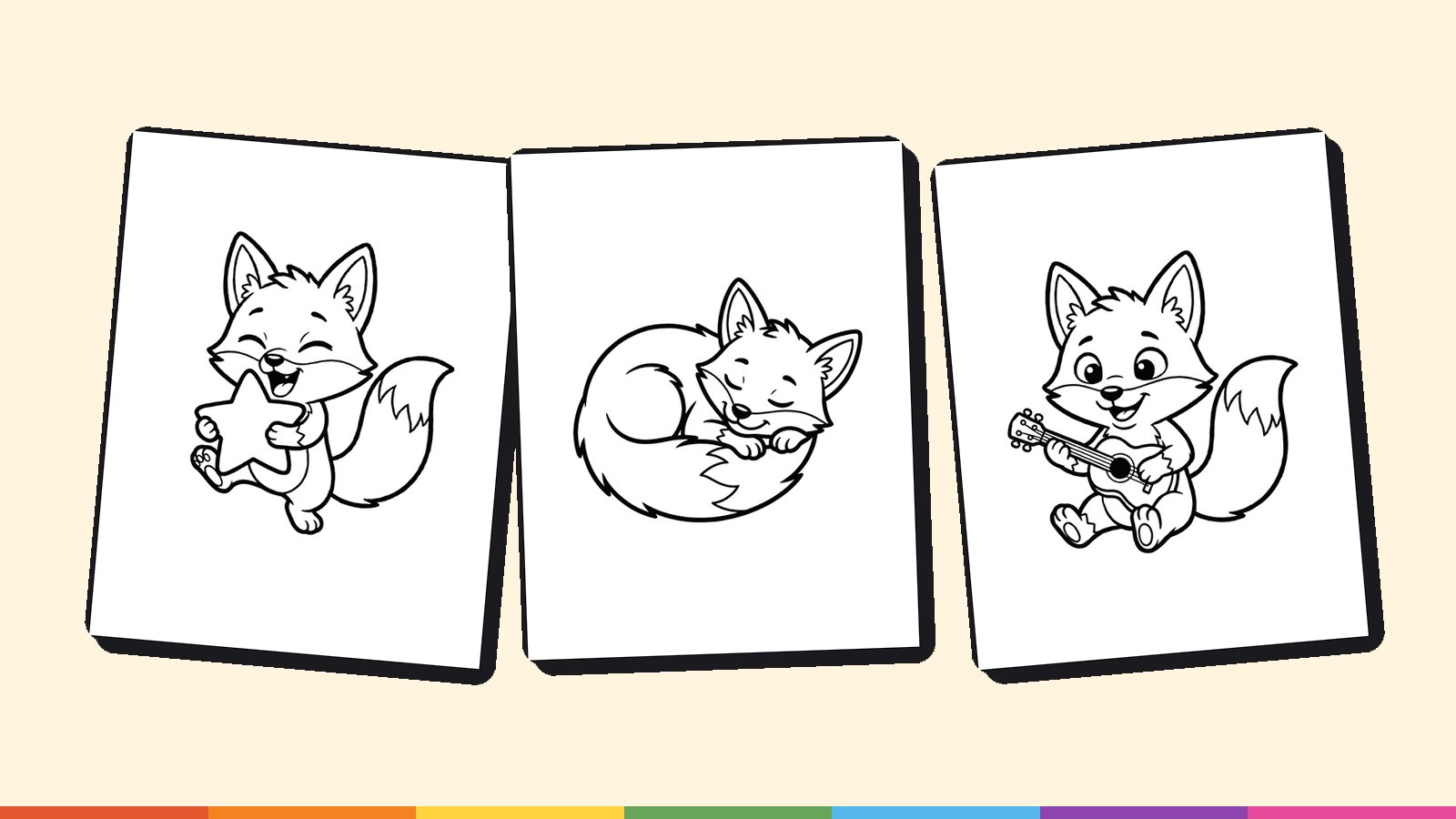
What Every Parent Needs to Know About a Coloring Book for Toddlers
A coloring book for toddlers is a book of very simple pictures, drawn with thick outlines and big open spaces, for children around ages 2 to 4 who are just learning to hold a crayon. It matters because the wrong book (tiny details, busy backgrounds, thin lines) frustrates a toddler in two minutes, while the right one becomes a calm, screen-free habit you can reach for every day.
The main kinds you will find:
- Big animal books: one friendly animal per page.
- Character books: one favorite character, many poses.
- Things that go: trucks, cars and trains.
- First words books: a picture with its name.
- Licensed character books: TV and movie characters.
What to weigh before you buy:
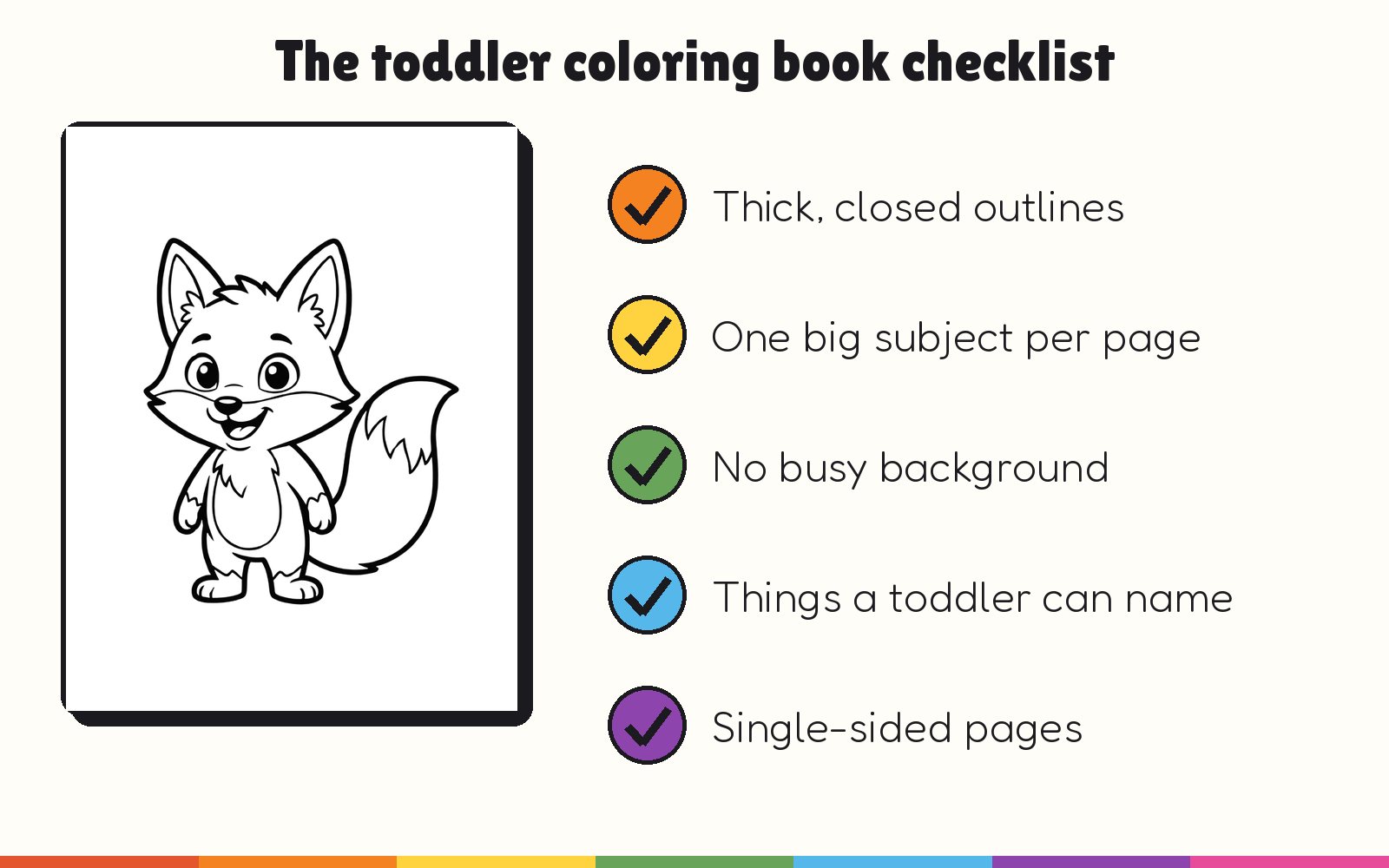
- Line thickness: bold enough to see from across the table.
- Subject size: one big picture, not a crowded scene.
- Paper: single-sided if markers are in the house.
- Familiar things: shapes a toddler can point to and name.
- Real page count: designs, not filler.
By the end of this guide you will have a short checklist you can use on any coloring book listing, and you will know which features matter at 2, at 3 and at 4.
I am Pete Harper, the author behind Imagination Press and its coloring and activity books for kids, starring Rusty Fox, Maddie the lemur and Illy the pup. In this guide, I will walk through what we look for when we design pages for the youngest colorists, using our own toddler book as the worked example.
The Main Types of Coloring Books for Toddlers
Search Amazon for a coloring book for toddlers in 2026 and you will see a long list of results, from first scribble books to busy activity books labeled “ages 2 to 8.” That wide age label is the first trap: a page that keeps an 8 year old busy is usually too detailed for a 2 year old. Screen time is the other reason parents look for these books. The American Academy of Pediatrics (Media and Young Minds, Pediatrics, 2016) recommends that children ages 2 to 5 have no more than about one hour a day of high-quality screen media, so a good coloring book is one of the easiest ways to fill the rest of a quiet afternoon.
Almost every toddler book falls into one of two families: animal and character books, and everyday object books.
Big Animal and Character Books
These books put one animal or one character in the middle of each page. Toddlers love naming animals, so a fox, a puppy or a duck gives them something to talk about while they color.
What to look for:
- One subject, centered: the animal fills most of the page with plenty of white space around it.
- Closed shapes: every outline connects, so each area is a clear “space” to fill.
- A friendly face: big eyes and a smile read as safe and happy to small children.
- Repeat characters: the same character across pages builds a little story your child can follow.
A toddler who recognizes the same fox on page after page starts to treat the book like a friend, and that is what keeps them coming back to it.
Everyday Objects and Things That Go
Trucks, balls, fruit and toys are the second big family. They work because they are things a toddler sees every day and can point to.
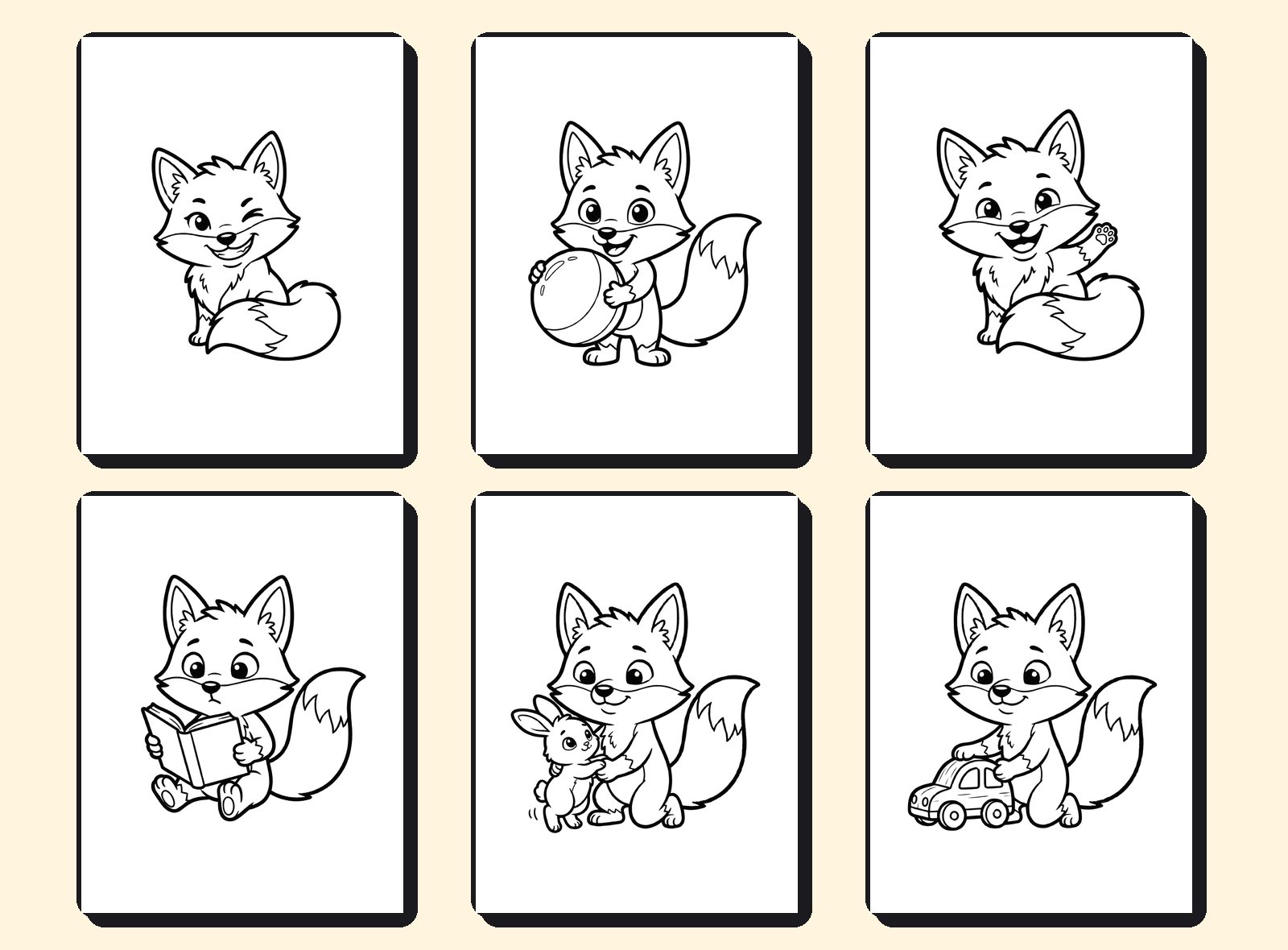
The best recent toddler books blend the two families: a character holding one familiar object, like a ball, a book or a toy car. That pairing gives a child two things to name on one simple page.
In practice, those pages are also the easiest to talk about. “What is Rusty holding?” turns coloring into a first vocabulary game without any worksheets.
How to Choose the Right Coloring Book for Your Toddler’s Age
The table below maps what a child can usually manage to the kind of page that fits. Every child is different, so treat ages as a starting point.
| Age | What little hands can do | Best page style | What to skip |
|---|---|---|---|
| 18 months to 2 | Fist grip, big scribbles | One huge shape, extra thick lines | Anything with small parts |
| 2 to 3 | Scribbles with some aim | One animal or character, no background | Scenes, mazes, tiny patterns |
| 3 to 4 | Stays near big lines | Character with one object | Pages with 50+ small spaces |
| 4 to 5 | Colors inside most lines | Small simple scenes | Adult-style detail |
Expert tip: the single most important thing to check is line thickness at real size. If the outlines look thin on your phone screen when you zoom to a full page, they will be too thin for a toddler. Bold, closed outlines are what make a page feel finished even when the crayon wanders.
Too Simple or Too Hard? Practical Tips
It is hard to tell from a cover whether a book suits your child, so check these before you buy.
- Open the sample pages or the A+ images on the listing and count the main shapes on one page; for ages 2 to 3, fewer than 10 is a good sign.
- Look for the words “single-sided” in the description if your child uses markers.
- Check the real page count against the number of designs; a 60-page book can hold only 25 pictures if every picture has a blank back.
- Start with a character your child already likes, such as Rusty Fox, so the first pages feel familiar.
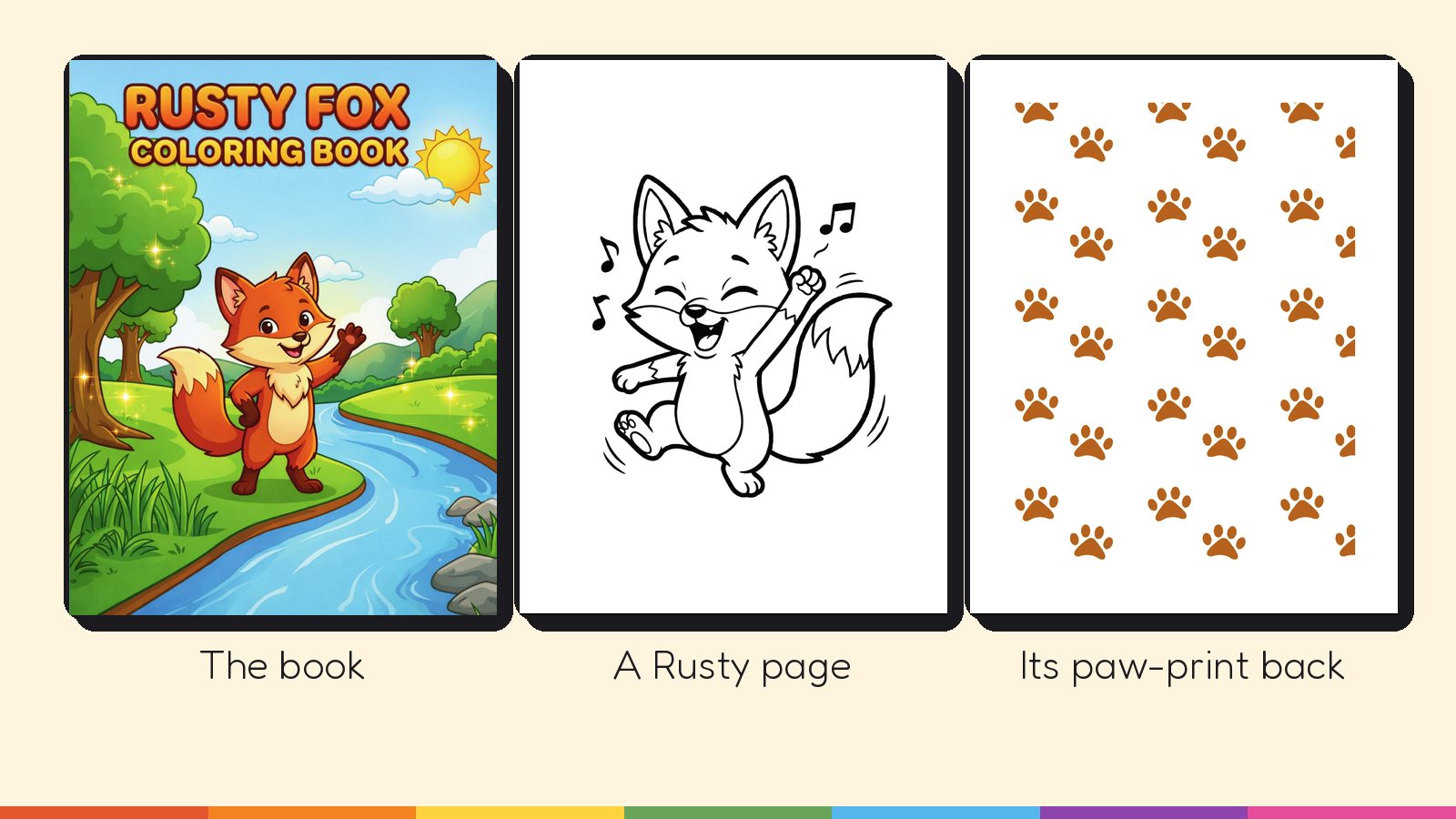
If you want to see what a toddler-sized page looks like before you shop, the Rusty Fox Coloring Book page shows real interior pages from the book.
Coloring Books vs. Printable Pages
Printables are great for one afternoon: you print one page, and if it gets torn, you print another. A bound coloring book is better for a daily habit, because the pages stay together, the paper is consistent, and your child can flip back to see what they finished last week.
If your toddler will color more than a few times a month, a book is usually the better choice. Keep a few printables for travel days and waiting rooms.
Coloring Books for Toddlers for Every Stage
- Just starting (18 months to 2): choose the biggest, simplest shapes you can find and chunky crayons. Success means marks on the page, not inside the lines.
- Growing aim (2 to 3): one character per page with no background. Name body parts together as you color: ears, tail, nose.
- Ready for more (3 to 4): a character holding an object, or a single simple scene. This is when kids start choosing colors on purpose.
Simple, Standard and Detailed Options
A toddler shelf can grow in three steps:
- Simple: one big subject per page, thick lines, about 15 to 25 designs. Right for first-time colorists.
- Standard: one subject with a prop, a few more spaces, 25 to 50 designs. Right for most 3 year olds.
- Detailed: small scenes and patterns. Save these for ages 5 and up, when hands are steadier.
Ways to Personalize Coloring Time
In 2026 parents have more ways than ever to make a book feel personal, from name-tracing pages to character books based on a real family pet.
- A belongs-to page: write your child’s name on the first page so the book is clearly theirs.
- Their own colors: let them make the fox purple; there is no wrong color at this age.
- A display spot: tape a finished page to the fridge so they see their work every day.
Why Thick Lines and Single-Sided Pages Make a Difference
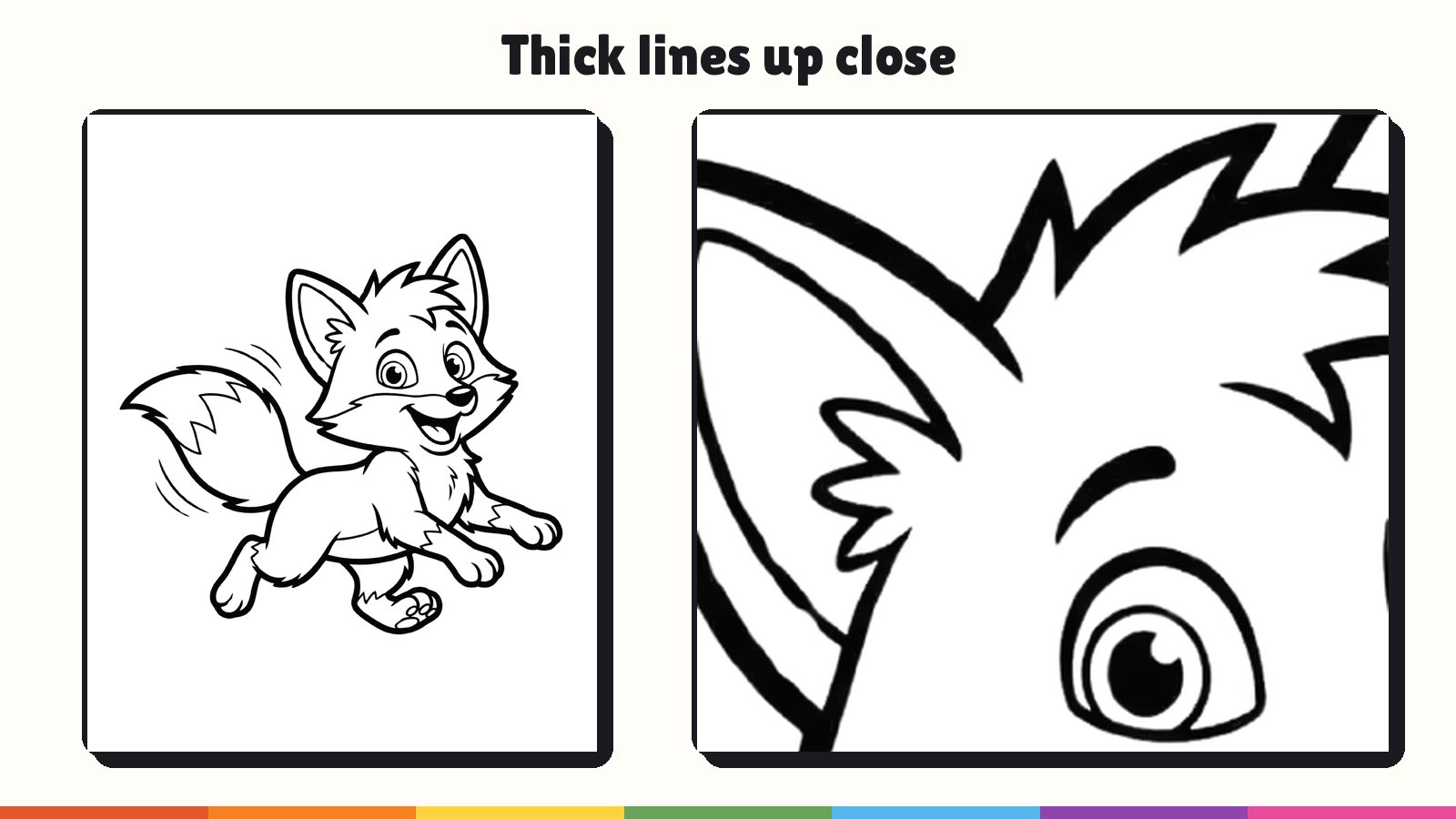
It is easy to feel unsure buying a toddler book online. Many listings show only the cover, and the inside turns out to be pages built for older kids, with thin lines and crowded scenes. When we made the Rusty Fox Coloring Book, we designed it around the checklist above instead of around a page count.
What that looks like inside the real book:
- 15 big Rusty pages: one fox per page, with no background to color around.
- Bold, closed outlines: sized for chunky crayons and wobbly first strokes.
- Paw-print backs: every Rusty picture sits on its own sheet with a paw-print pattern on the back, so marker ink never ruins the next picture.
- Things to name: Rusty holds a star, a ball, a book, a guitar, a toy car and a bunny friend.
Getting the Most Out of a Coloring Book for Toddlers
- Keep sessions short: 5 to 15 minutes is a win at age 2 or 3.
- Offer three or four colors at a time instead of the whole box; too many choices stall little kids.
- Color the same page alongside your child once in a while; toddlers copy what they see.
- Tear out or fold back finished pages so the next picture is always ready.
If your child is more of a dog lover, Illy’s Coloring Book is full of a happy pup in simple scenes, made for ages 3 to 8, and makes a nice second book once Rusty is finished.
Frequently Asked Questions About Coloring Books for Toddlers
What age can a toddler start using a coloring book?
Most toddlers can start between 18 months and 2 years, once they can hold a chunky crayon in a fist and make marks on purpose. Expect scribbles at first; staying near the lines usually comes between ages 3 and 4, so pick a book with big, simple shapes that look good even when the coloring goes everywhere.
How do I keep toddler coloring from turning into a mess?
A small, repeatable routine keeps it easy for both of you:
- Put a mat or an old placemat under the book.
- Offer three or four washable crayons instead of the whole box.
- Sit with your child for the first few minutes.
- Stop while it is still fun, usually after 5 to 15 minutes.
Can I use markers in a toddler coloring book?
Yes, as long as the markers are washable and the book is printed on one side of each sheet, so ink that soaks through lands on a blank or decorative back instead of the next picture. Chunky crayons are still the easiest first tool, because they do not bleed and are hard to break.
Conclusion
A first coloring book is a small thing that does a lot: it gives your toddler a quiet moment that is all theirs, a fox or a puppy to talk to, and a stack of pages they will proudly hand you one at a time. Pick thick lines, one big subject and paper that can take a marker, and the rest takes care of itself.
Rusty Fox Coloring Book is available now on Amazon. It has 15 big, single-sided Rusty pages on 8.5 x 11 inch paper for ages 2 to 6, and it also makes an easy stocking stuffer for a little one this Christmas. When you are ready for more, explore every Imagination Press coloring book and find the next friend your child will want to color.